
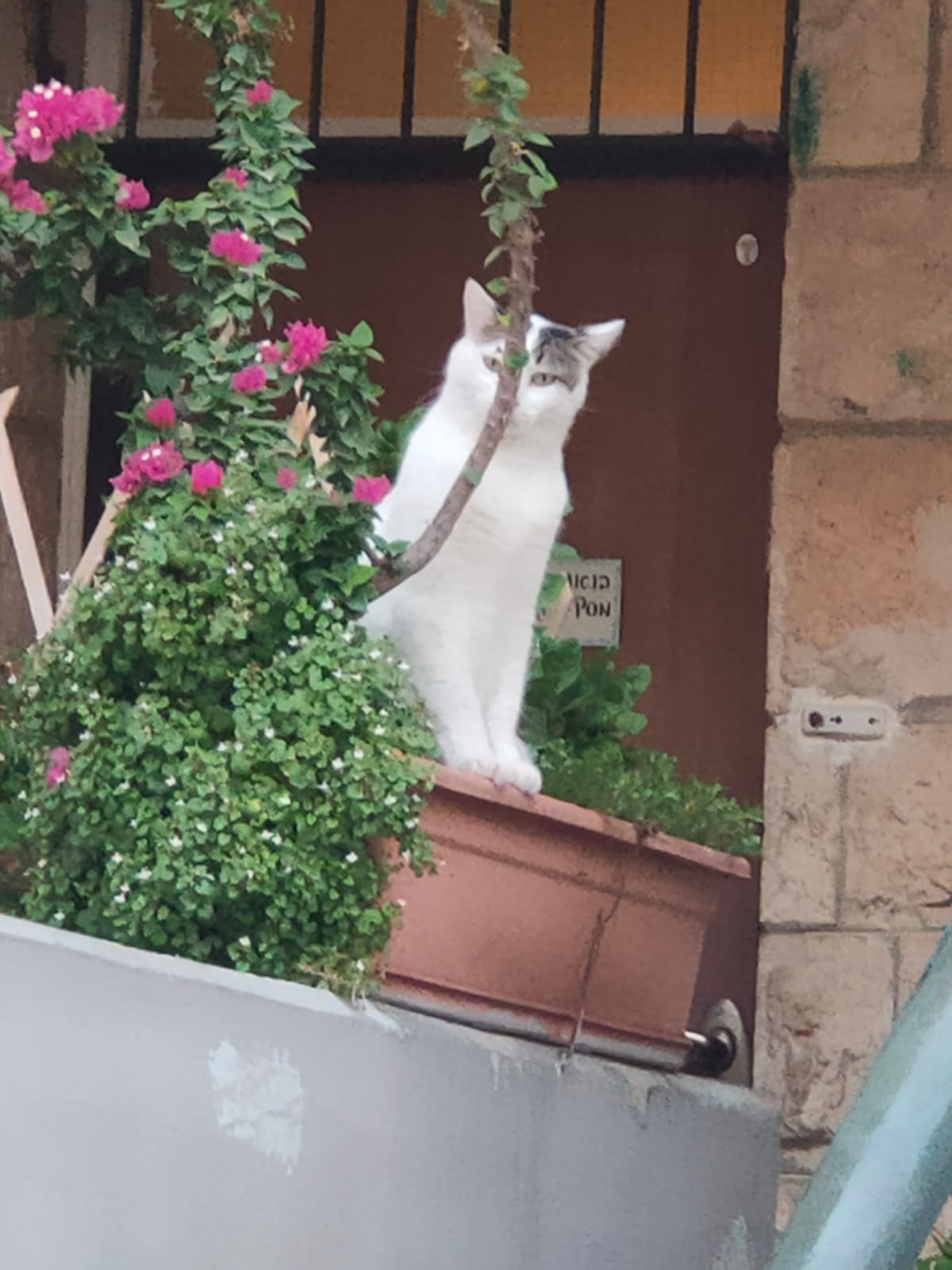
“Why I am sending you this picture of our white beauty? I will explain in a short while.” “מדוע אני שולח לך את התמונה הזו של היופי הלבן שלנו? אסביר בעוד רגע.”
“Why I am sending you this picture of our white beauty? I will explain in a short while.” “מדוע אני שולח לך את התמונה הזו של היופי הלבן שלנו? אסביר בעוד רגע.”
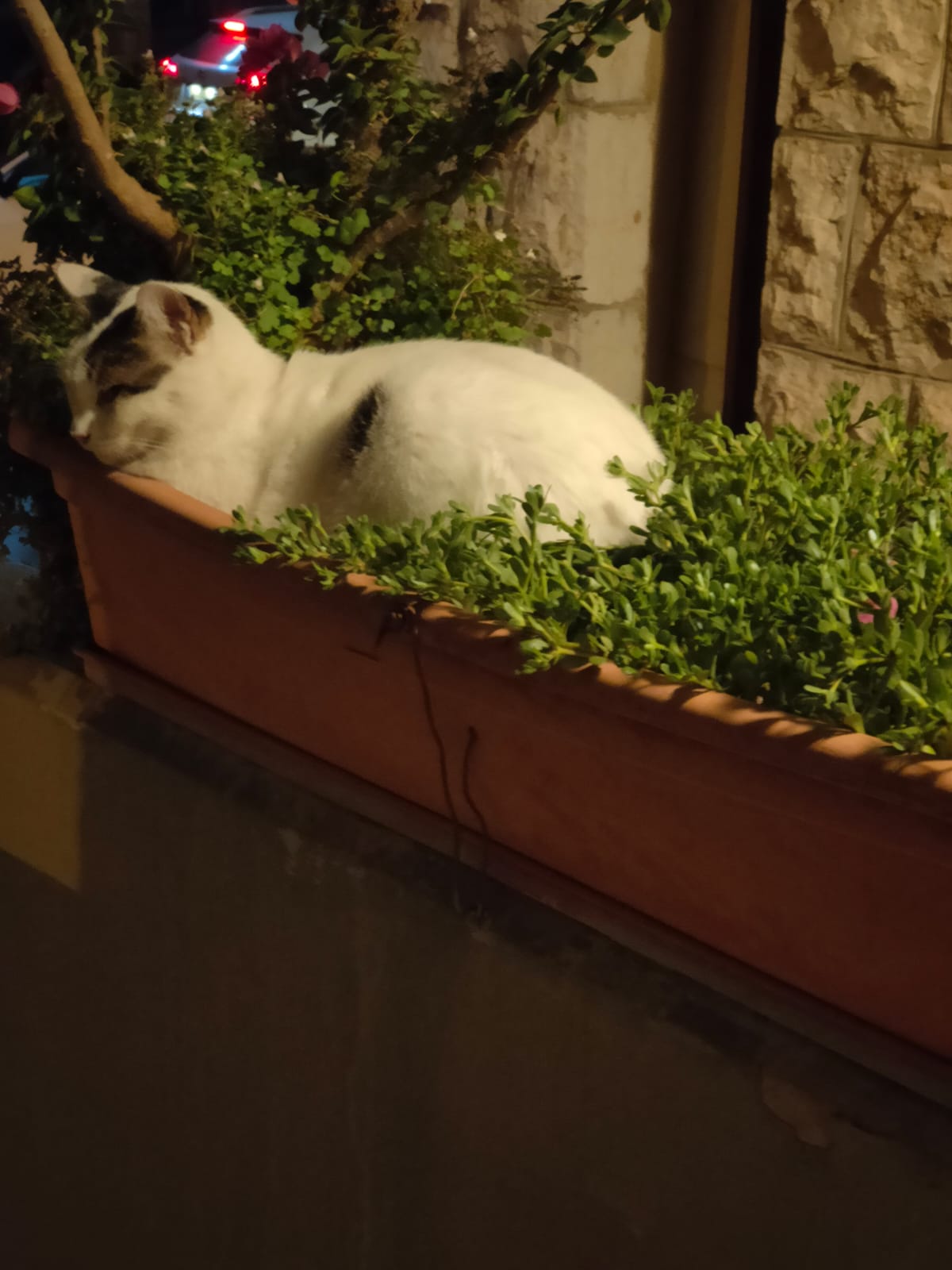
[8/7/2025 10:42 PM] Harold jitschak Bueno De: התמונה ששלחתי של החתולה הלבנה שלנו, טוקי, נושאת משמעות מיוחדת. לא צילמתי תקריב של העציץ (או ארגז הפרחים) שבו טוקי אוהבת לשכב, אבל אני מבטיח לכם שהוא מלא בפורטולקה. רבים מכם אולי מכירים את הפורטולקה מהאזכורים שלה במהלך מגפת הקורונה, כשהוכרה בזכות תכונותיה האנטי-ויראליות היעילות במיוחד. העלים שלה משמשים גם להכנת משחות למצבים שונים של עור. אמנם לטוקי אין בעיות עור, אך סביר להניח שהיא בוחרת לשכב בעציץ הזה משום שהיא נהנית באופן אינסטינקטיבי מהתכונות המדהימות של הפורטולקה. כיוון שטוקי היא נקבה, ייתכן שהיא גם נהנית מהפורטולקה כ”משפרת יופי”. מדהים באמת!
אחר כך אשלח לך סיפור על יערות האמזונס, שאולי שמעת עליו.
: The photo I sent of our white cat, Toki, has a special significance. I didn’t take a close-up of the plant pot (or flower box) that Toki loves to lie in, but I assure you it’s filled with portulaca. Many of you may know portulaca from its mention during the COVID-19 epidemic, recognised for its highly effective antiviral properties. Its leaves are also used to create ointments for various skin conditions. While Toki doesn’t have any skin issues, she likely chooses this plant pot because she instinctively benefits from the portulaca’s remarkable properties. As Toki is a woman, she may also benefit from the Portulaca as a “beautifier” Truly amazing! After this, I will send you a story of the Amazon jungle, which you may have heard about.
[8/7/2025 10:42 PM] Harold jitschak Bueno De: About the Amazon jungle [and medicines]
פיתוח תרופות חדשות הוא תהליך מורכב ומאתגר במהלך העשורים האחרונים. גם כאשר מתגלה תרופה פוטנציאלית חדשה, היא נדרשת לעבור ניסויים קליניים מקיפים ויקרים. אם מתגלות תופעות לוואי חמורות במהלך הניסויים – או אפילו לאחר שהתרופה מגיעה לשוק – חברות התרופות עלולות להפסיד מאות מיליוני דולרים.
כדי לצמצם סיכונים אלה, חברות מסוימות פנו לשיטות לא שגרתיות הכוללות שימוש בבעלי חיים. הן מזריקות לבעלי חיים, לעיתים קופים, תרכובות הגורמות למחלות, ולאחר מכן משחררות אותם בסביבות כמו ג’ונגל האמזונס. בעלי החיים, המצוידים בשבבים למעקב, מחפשים באופן אינסטינקטיבי צמחים, קליפות עצים או חומרים טבעיים אחרים כדי לרפא את עצמם. על ידי מעקב אחר בחירותיהם של בעלי החיים, חוקרים יכולים לזהות תרכובות רפואיות פוטנציאליות, ובכך להאיץ משמעותית את תהליך גילוי התרופות.
עם זאת, פרקטיקה זו עוררה סכסוכים עם קהילות ילידיות ששטחיהן משמשים לפעילויות אלו. בעבר, קהילות אלה קיבלו פיצוי כספי מינימלי מחברות התרופות. עם הזמן, הן הפכו מודעות יותר לזכויותיהן וכיום נאבקות לטובת יחס הוגן יותר והכרה חוקית בבעלות על אדמותיהן.
גישה זו מדגישה את היכולת המופלאה והמולדת של בעלי חיים לרפא את עצמם באמצעות משאבי הטבע. גם בני האדם עשויים לשמר חלק מאינסטינקטים אלה. לדוגמה, במהלך מחלה, אנשים עשויים לחוש תשוקה למזונות מסוימים שהם בדרך כלל נמנעים מהם או להימשך למזונות התומכים בהחלמה, מה שמרמז על קשר עמוק לאינסטינקטים הטבעיים שלנו.
דעה
השימוש בבעלי חיים לזיהוי תרכובות רפואיות פוטנציאליות הוא מפגש מרתק בין מדע לטבע, המציג את האינסטינקטים המופלאים של בעלי החיים. עם זאת, פרקטיקה זו מעלה חששות אתיים משמעותיים. גרימת מחלות לבעלי חיים ושחרורם לטבע נראה כניצול, גם אם הוא מניב תובנות חשובות. הקהילה המדעית צריכה לתעדף פיתוח שיטות חלופיות, כמו מודלים חישוביים מתקדמים או בדיקות במבחנה, כדי להפחית את התלות בניסויים בבעלי חיים.
יתרה מכך, הניצול ההיסטורי של אדמות וקהילות ילידיות הוא מטריד ביותר. משמח לשמוע כי קהילות אלה נאבקות כעת על זכויותיהן, אך חברות התרופות חייבות לקחת אחריות רבה יותר. פיצוי הוגן, הסכמים שקופים וכבוד לידע הילידי ולבעלות על האדמות הם הכרחיים.
הרעיון שבני אדם עשויים לשמר ידע אינסטינקטיבי על ריפוי באמצעות מזון או תרופות טבעיות הוא מסקרן ומצדיק חקירה נוספת. הוא מצביע על הצורך להתחבר מחדש לסביבתנו ולידע המסורתי, מה שעשוי להשלים את הרפואה המודרנית בגישות הוליסטיות. עם זאת, כל מאמץ כזה חייב להיות מבוסס על פרקטיקות אתיות וכבוד לטבע ולזכויות הילידים.
Challenges in Modern Drug Development and Animal Instincts in Healing
Developing new drugs has been a complex and challenging process for the past several decades. Even when a potential new drug is discovered, it must undergo extensive and costly clinical trials. If severe side effects are identified during these trials—or even after the drug reaches the market—pharmaceutical companies can lose hundreds of millions of dollars.
To mitigate these risks, some companies have turned to unconventional methods involving animals. They inject animals, often monkeys, with compounds to induce illness, then release them into environments like the Amazon jungle. These animals, equipped with tracking chips, instinctively seek out plants, tree bark, or other natural substances to heal themselves. By monitoring the animals’ choices, researchers can identify potential medicinal compounds, significantly accelerating the drug discovery process.
However, this practice has sparked conflicts with indigenous communities whose lands are used for these activities. Historically, these communities received minimal financial compensation from companies. Over time, they have become more aware of their rights and are now advocating for fairer treatment and legal recognition of their land ownership.
This approach highlights the remarkable, innate ability of animals to self-medicate using nature’s resources. Humans may retain some of these instincts as well. For instance, during illness, people might crave specific foods they typically avoid or feel drawn to foods that support healing, suggesting a deep-rooted connection to our natural instincts.
The use of animals to identify potential medicinal compounds is a fascinating intersection of science and nature, showcasing the incredible instincts animals possess. However, this practice raises significant ethical concerns. Inducing illness in animals and releasing them into the wild feels exploitative, even if it yields valuable insights. The scientific community should prioritize developing alternative methods, such as advanced computational models or in vitro testing, to reduce reliance on animal testing.
Moreover, the historical exploitation of indigenous lands and communities is deeply troubling. It’s encouraging to hear that these communities are now advocating for their rights, but pharmaceutical companies must take greater responsibility. Fair compensation, transparent agreements, and respect for indigenous knowledge and land ownership are non-negotiable.
The idea that humans might retain some instinctual knowledge about healing through food or natural remedies is intriguing and warrants further exploration. It suggests a need to reconnect with our environment and traditional knowledge, potentially complementing modern medicine with holistic approaches. However, any such efforts must be grounded in ethical practices and respect for both nature and indigenous rights
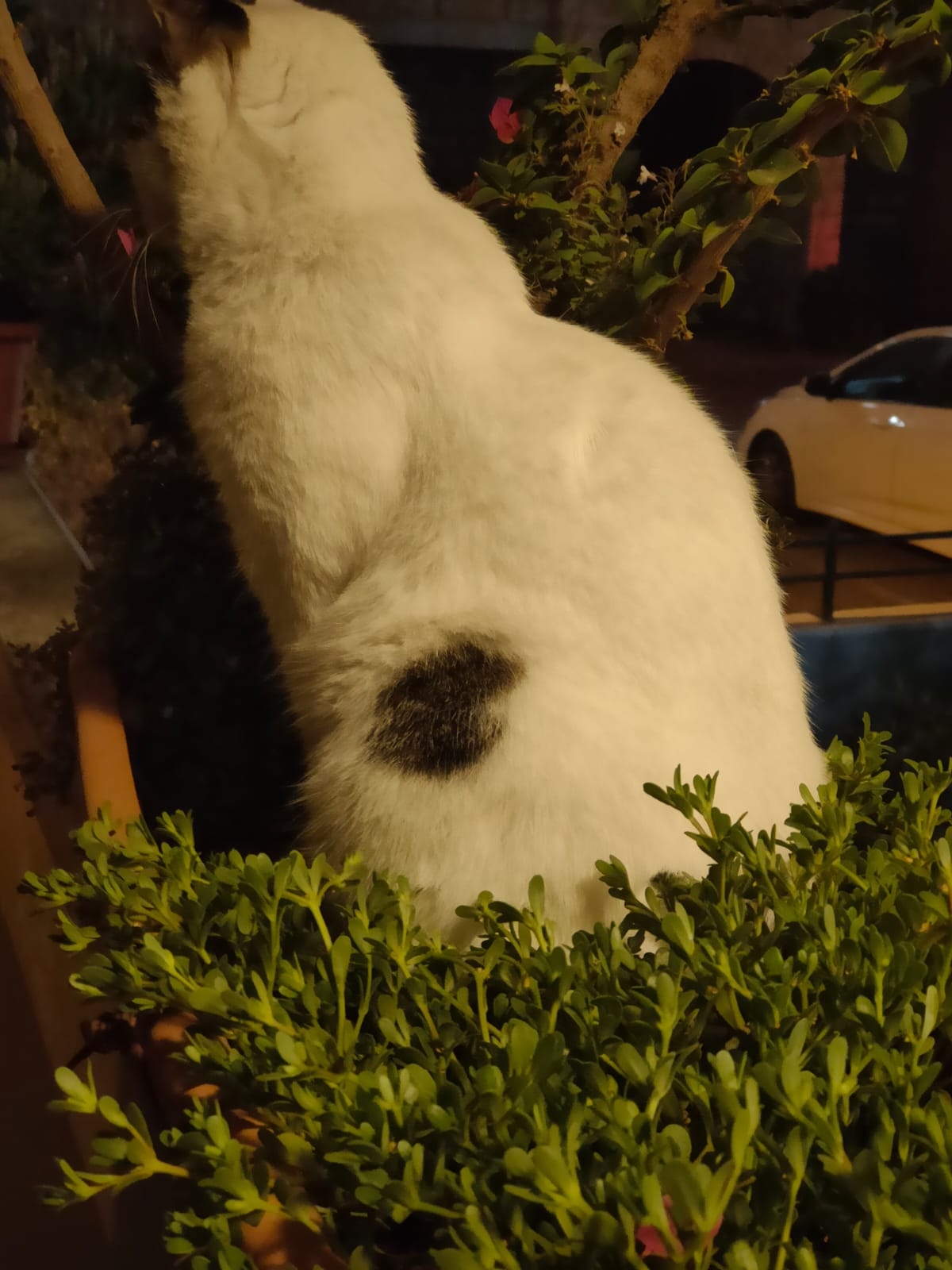
אשתי שלחה לי שתי תמונות שבהן אולי תזהה את הפורטולקה. My wife sent me 2 photos in which you may recognise the Portulaca [reglat-ha gina][8/7/2025 10:42 PM] Harold jitschak Bueno De: “Why I am sending you this picture of our white beauty? I will explain in a short while.” “מדוע אני שולח לך את התמונה הזו של היופי הלבן שלנו? אסביר בעוד רגע.”
: התמונה ששלחתי של החתולה הלבנה שלנו, טוקי, נושאת משמעות מיוחדת. לא צילמתי תקריב של העציץ (או ארגז הפרחים) שבו טוקי אוהבת לשכב, אבל אני מבטיח לכם שהוא מלא בפורטולקה. רבים מכם אולי מכירים את הפורטולקה מהאזכורים שלה במהלך מגפת הקורונה, כשהוכרה בזכות תכונותיה האנטי-ויראליות היעילות במיוחד. העלים שלה משמשים גם להכנת משחות למצבים שונים של עור. אמנם לטוקי אין בעיות עור, אך סביר להניח שהיא בוחרת לשכב בעציץ הזה משום שהיא נהנית באופן אינסטינקטיבי מהתכונות המדהימות של הפורטולקה. כיוון שטוקי היא נקבה, ייתכן שהיא גם נהנית מהפורטולקה כ”משפרת יופי”. מדהים באמת!
אחר כך אשלח לך סיפור על יערות האמזונס, שאולי שמעת עליו.
: The photo I sent of our white cat, Toki, has a special significance. I didn’t take a close-up of the plant pot (or flower box) that Toki loves to lie in, but I assure you it’s filled with portulaca. Many of you may know portulaca from its mention during the COVID-19 epidemic, recognised for its highly effective antiviral properties. Its leaves are also used to create ointments for various skin conditions. While Toki doesn’t have any skin issues, she likely chooses this plant pot because she instinctively benefits from the portulaca’s remarkable properties. As Toki is a woman, she may also benefit from the Portulaca as a “beautifier” Truly amazing! After this, I will send you a story of the Amazon jungle, which you may have heard about.
About the Amazon jungle [and medicines]
פיתוח תרופות חדשות הוא תהליך מורכב ומאתגר במהלך העשורים האחרונים. גם כאשר מתגלה תרופה פוטנציאלית חדשה, היא נדרשת לעבור ניסויים קליניים מקיפים ויקרים. אם מתגלות תופעות לוואי חמורות במהלך הניסויים – או אפילו לאחר שהתרופה מגיעה לשוק – חברות התרופות עלולות להפסיד מאות מיליוני דולרים.
כדי לצמצם סיכונים אלה, חברות מסוימות פנו לשיטות לא שגרתיות הכוללות שימוש בבעלי חיים. הן מזריקות לבעלי חיים, לעיתים קופים, תרכובות הגורמות למחלות, ולאחר מכן משחררות אותם בסביבות כמו ג’ונגל האמזונס. בעלי החיים, המצוידים בשבבים למעקב, מחפשים באופן אינסטינקטיבי צמחים, קליפות עצים או חומרים טבעיים אחרים כדי לרפא את עצמם. על ידי מעקב אחר בחירותיהם של בעלי החיים, חוקרים יכולים לזהות תרכובות רפואיות פוטנציאליות, ובכך להאיץ משמעותית את תהליך גילוי התרופות.
עם זאת, פרקטיקה זו עוררה סכסוכים עם קהילות ילידיות ששטחיהן משמשים לפעילויות אלו. בעבר, קהילות אלה קיבלו פיצוי כספי מינימלי מחברות התרופות. עם הזמן, הן הפכו מודעות יותר לזכויותיהן וכיום נאבקות לטובת יחס הוגן יותר והכרה חוקית בבעלות על אדמותיהן.
גישה זו מדגישה את היכולת המופלאה והמולדת של בעלי חיים לרפא את עצמם באמצעות משאבי הטבע. גם בני האדם עשויים לשמר חלק מאינסטינקטים אלה. לדוגמה, במהלך מחלה, אנשים עשויים לחוש תשוקה למזונות מסוימים שהם בדרך כלל נמנעים מהם או להימשך למזונות התומכים בהחלמה, מה שמרמז על קשר עמוק לאינסטינקטים הטבעיים שלנו.
דעה
השימוש בבעלי חיים לזיהוי תרכובות רפואיות פוטנציאליות הוא מפגש מרתק בין מדע לטבע, המציג את האינסטינקטים המופלאים של בעלי החיים. עם זאת, פרקטיקה זו מעלה חששות אתיים משמעותיים. גרימת מחלות לבעלי חיים ושחרורם לטבע נראה כניצול, גם אם הוא מניב תובנות חשובות. הקהילה המדעית צריכה לתעדף פיתוח שיטות חלופיות, כמו מודלים חישוביים מתקדמים או בדיקות במבחנה, כדי להפחית את התלות בניסויים בבעלי חיים.
יתרה מכך, הניצול ההיסטורי של אדמות וקהילות ילידיות הוא מטריד ביותר. משמח לשמוע כי קהילות אלה נאבקות כעת על זכויותיהן, אך חברות התרופות חייבות לקחת אחריות רבה יותר. פיצוי הוגן, הסכמים שקופים וכבוד לידע הילידי ולבעלות על האדמות הם הכרחיים.
הרעיון שבני אדם עשויים לשמר ידע אינסטינקטיבי על ריפוי באמצעות מזון או תרופות טבעיות הוא מסקרן ומצדיק חקירה נוספת. הוא מצביע על הצורך להתחבר מחדש לסביבתנו ולידע המסורתי, מה שעשוי להשלים את הרפואה המודרנית בגישות הוליסטיות. עם זאת, כל מאמץ כזה חייב להיות מבוסס על פרקטיקות אתיות וכבוד לטבע ולזכויות הילידים.
Challenges in Modern Drug Development and Animal Instincts in Healing
Developing new drugs has been a complex and challenging process for the past several decades. Even when a potential new drug is discovered, it must undergo extensive and costly clinical trials. If severe side effects are identified during these trials—or even after the drug reaches the market—pharmaceutical companies can lose hundreds of millions of dollars.
To mitigate these risks, some companies have turned to unconventional methods involving animals. They inject animals, often monkeys, with compounds to induce illness, then release them into environments like the Amazon jungle. These animals, equipped with tracking chips, instinctively seek out plants, tree bark, or other natural substances to heal themselves. By monitoring the animals’ choices, researchers can identify potential medicinal compounds, significantly accelerating the drug discovery process.
However, this practice has sparked conflicts with indigenous communities whose lands are used for these activities. Historically, these communities received minimal financial compensation from companies. Over time, they have become more aware of their rights and are now advocating for fairer treatment and legal recognition of their land ownership.
This approach highlights the remarkable, innate ability of animals to self-medicate using nature’s resources. Humans may retain some of these instincts as well. For instance, during illness, people might crave specific foods they typically avoid or feel drawn to foods that support healing, suggesting a deep-rooted connection to our natural instincts.
The use of animals to identify potential medicinal compounds is a fascinating intersection of science and nature, showcasing the incredible instincts animals possess. However, this practice raises significant ethical concerns. Inducing illness in animals and releasing them into the wild feels exploitative, even if it yields valuable insights. The scientific community should prioritize developing alternative methods, such as advanced computational models or in vitro testing, to reduce reliance on animal testing.
Moreover, the historical exploitation of indigenous lands and communities is deeply troubling. It’s encouraging to hear that these communities are now advocating for their rights, but pharmaceutical companies must take greater responsibility. Fair compensation, transparent agreements, and respect for indigenous knowledge and land ownership are non-negotiable.
The idea that humans might retain some instinctual knowledge about healing through food or natural remedies is intriguing and warrants further exploration. It suggests a need to reconnect with our environment and traditional knowledge, potentially complementing modern medicine with holistic approaches. However, any such efforts must be grounded in ethical practices and respect for both nature and indigenous rights
אשתי שלחה לי שתי תמונות שבהן אולי תזהה את הפורטולקה. My wife sent me 2 photos in which you may recognise the Portulaca [reglat-ha gina][8/7/2025 10:42 PM] Harold jitschak Bueno De: “Why I am sending you this picture of our white beauty? I will explain in a short while.” “מדוע אני שולח לך את התמונה הזו של היופי הלבן שלנו? אסביר בעוד רגע.”
: התמונה ששלחתי של החתולה הלבנה שלנו, טוקי, נושאת משמעות מיוחדת. לא צילמתי תקריב של העציץ (או ארגז הפרחים) שבו טוקי אוהבת לשכב, אבל אני מבטיח לכם שהוא מלא בפורטולקה. רבים מכם אולי מכירים את הפורטולקה מהאזכורים שלה במהלך מגפת הקורונה, כשהוכרה בזכות תכונותיה האנטי-ויראליות היעילות במיוחד. העלים שלה משמשים גם להכנת משחות למצבים שונים של עור. אמנם לטוקי אין בעיות עור, אך סביר להניח שהיא בוחרת לשכב בעציץ הזה משום שהיא נהנית באופן אינסטינקטיבי מהתכונות המדהימות של הפורטולקה. כיוון שטוקי היא נקבה, ייתכן שהיא גם נהנית מהפורטולקה כ”משפרת יופי”. מדהים באמת!
אחר כך אשלח לך סיפור על יערות האמזונס, שאולי שמעת עליו.
The photo I sent of our white cat, Toki, has a special significance. I didn’t take a close-up of the plant pot (or flower box) that Toki loves to lie in, but I assure you it’s filled with portulaca. Many of you may know portulaca from its mention during the COVID-19 epidemic, recognised for its highly effective antiviral properties. Its leaves are also used to create ointments for various skin conditions. While Toki doesn’t have any skin issues, she likely chooses this plant pot because she instinctively benefits from the portulaca’s remarkable properties. As Toki is a woman, she may also benefit from the Portulaca as a “beautifier” Truly amazing! After this, I will send you a story of the Amazon jungle, which you may have heard about.
About the Amazon jungle [and medicines]
פיתוח תרופות חדשות הוא תהליך מורכב ומאתגר במהלך העשורים האחרונים. גם כאשר מתגלה תרופה פוטנציאלית חדשה, היא נדרשת לעבור ניסויים קליניים מקיפים ויקרים. אם מתגלות תופעות לוואי חמורות במהלך הניסויים – או אפילו לאחר שהתרופה מגיעה לשוק – חברות התרופות עלולות להפסיד מאות מיליוני דולרים.
כדי לצמצם סיכונים אלה, חברות מסוימות פנו לשיטות לא שגרתיות הכוללות שימוש בבעלי חיים. הן מזריקות לבעלי חיים, לעיתים קופים, תרכובות הגורמות למחלות, ולאחר מכן משחררות אותם בסביבות כמו ג’ונגל האמזונס. בעלי החיים, המצוידים בשבבים למעקב, מחפשים באופן אינסטינקטיבי צמחים, קליפות עצים או חומרים טבעיים אחרים כדי לרפא את עצמם. על ידי מעקב אחר בחירותיהם של בעלי החיים, חוקרים יכולים לזהות תרכובות רפואיות פוטנציאליות, ובכך להאיץ משמעותית את תהליך גילוי התרופות.
עם זאת, פרקטיקה זו עוררה סכסוכים עם קהילות ילידיות ששטחיהן משמשים לפעילויות אלו. בעבר, קהילות אלה קיבלו פיצוי כספי מינימלי מחברות התרופות. עם הזמן, הן הפכו מודעות יותר לזכויותיהן וכיום נאבקות לטובת יחס הוגן יותר והכרה חוקית בבעלות על אדמותיהן.
גישה זו מדגישה את היכולת המופלאה והמולדת של בעלי חיים לרפא את עצמם באמצעות משאבי הטבע. גם בני האדם עשויים לשמר חלק מאינסטינקטים אלה. לדוגמה, במהלך מחלה, אנשים עשויים לחוש תשוקה למזונות מסוימים שהם בדרך כלל נמנעים מהם או להימשך למזונות התומכים בהחלמה, מה שמרמז על קשר עמוק לאינסטינקטים הטבעיים שלנו.
דעה
השימוש בבעלי חיים לזיהוי תרכובות רפואיות פוטנציאליות הוא מפגש מרתק בין מדע לטבע, המציג את האינסטינקטים המופלאים של בעלי החיים. עם זאת, פרקטיקה זו מעלה חששות אתיים משמעותיים. גרימת מחלות לבעלי חיים ושחרורם לטבע נראה כניצול, גם אם הוא מניב תובנות חשובות. הקהילה המדעית צריכה לתעדף פיתוח שיטות חלופיות, כמו מודלים חישוביים מתקדמים או בדיקות במבחנה, כדי להפחית את התלות בניסויים בבעלי חיים.
יתרה מכך, הניצול ההיסטורי של אדמות וקהילות ילידיות הוא מטריד ביותר. משמח לשמוע כי קהילות אלה נאבקות כעת על זכויותיהן, אך חברות התרופות חייבות לקחת אחריות רבה יותר. פיצוי הוגן, הסכמים שקופים וכבוד לידע הילידי ולבעלות על האדמות הם הכרחיים.
הרעיון שבני אדם עשויים לשמר ידע אינסטינקטיבי על ריפוי באמצעות מזון או תרופות טבעיות הוא מסקרן ומצדיק חקירה נוספת. הוא מצביע על הצורך להתחבר מחדש לסביבתנו ולידע המסורתי, מה שעשוי להשלים את הרפואה המודרנית בגישות הוליסטיות. עם זאת, כל מאמץ כזה חייב להיות מבוסס על פרקטיקות אתיות וכבוד לטבע ולזכויות הילידים.
Challenges in Modern Drug Development and Animal Instincts in Healing
Developing new drugs has been a complex and challenging process for the past several decades. Even when a potential new drug is discovered, it must undergo extensive and costly clinical trials. If severe side effects are identified during these trials—or even after the drug reaches the market—pharmaceutical companies can lose hundreds of millions of dollars.
To mitigate these risks, some companies have turned to unconventional methods involving animals. They inject animals, often monkeys, with compounds to induce illness, then release them into environments like the Amazon jungle. These animals, equipped with tracking chips, instinctively seek out plants, tree bark, or other natural substances to heal themselves. By monitoring the animals’ choices, researchers can identify potential medicinal compounds, significantly accelerating the drug discovery process.
However, this practice has sparked conflicts with indigenous communities whose lands are used for these activities. Historically, these communities received minimal financial compensation from companies. Over time, they have become more aware of their rights and are now advocating for fairer treatment and legal recognition of their land ownership.
This approach highlights the remarkable, innate ability of animals to self-medicate using nature’s resources. Humans may retain some of these instincts as well. For instance, during illness, people might crave specific foods they typically avoid or feel drawn to foods that support healing, suggesting a deep-rooted connection to our natural instincts.
The use of animals to identify potential medicinal compounds is a fascinating intersection of science and nature, showcasing the incredible instincts animals possess. However, this practice raises significant ethical concerns. Inducing illness in animals and releasing them into the wild feels exploitative, even if it yields valuable insights. The scientific community should prioritize developing alternative methods, such as advanced computational models or in vitro testing, to reduce reliance on animal testing.
Moreover, the historical exploitation of indigenous lands and communities is deeply troubling. It’s encouraging to hear that these communities are now advocating for their rights, but pharmaceutical companies must take greater responsibility. Fair compensation, transparent agreements, and respect for indigenous knowledge and land ownership are non-negotiable.
The idea that humans might retain some instinctual knowledge about healing through food or natural remedies is intriguing and warrants further exploration. It suggests a need to reconnect with our environment and traditional knowledge, potentially complementing modern medicine with holistic approaches. However, any such efforts must be grounded in ethical practices and respect for both nature and indigenous rights
אשתי שלחה לי שתי תמונות שבהן אולי תזהה את הפורטולקה. My wife sent me 2 photos in which you may recognise the Portulaca [reglat-ha gina][8/7/2025 10:42 PM] Harold jitschak Bueno De: “Why I am sending you this picture of our white beauty? I will explain in a short while.” “מדוע אני שולח לך את התמונה הזו של היופי הלבן שלנו? אסביר בעוד רגע.”
: התמונה ששלחתי של החתולה הלבנה שלנו, טוקי, נושאת משמעות מיוחדת. לא צילמתי תקריב של העציץ (או ארגז הפרחים) שבו טוקי אוהבת לשכב, אבל אני מבטיח לכם שהוא מלא בפורטולקה. רבים מכם אולי מכירים את הפורטולקה מהאזכורים שלה במהלך מגפת הקורונה, כשהוכרה בזכות תכונותיה האנטי-ויראליות היעילות במיוחד. העלים שלה משמשים גם להכנת משחות למצבים שונים של עור. אמנם לטוקי אין בעיות עור, אך סביר להניח שהיא בוחרת לשכב בעציץ הזה משום שהיא נהנית באופן אינסטינקטיבי מהתכונות המדהימות של הפורטולקה. כיוון שטוקי היא נקבה, ייתכן שהיא גם נהנית מהפורטולקה כ”משפרת יופי”. מדהים באמת!
אחר כך אשלח לך סיפור על יערות האמזונס, שאולי שמעת עליו.
The photo I sent of our white cat, Toki, has a special significance. I didn’t take a close-up of the plant pot (or flower box) that Toki loves to lie in, but I assure you it’s filled with portulaca. Many of you may know portulaca from its mention during the COVID-19 epidemic, recognised for its highly effective antiviral properties. Its leaves are also used to create ointments for various skin conditions. While Toki doesn’t have any skin issues, she likely chooses this plant pot because she instinctively benefits from the portulaca’s remarkable properties. As Toki is a woman, she may also benefit from the Portulaca as a “beautifier” Truly amazing! After this, I will send you a story of the Amazon jungle, which you may have heard about.
: About the Amazon jungle [and medicines]
פיתוח תרופות חדשות הוא תהליך מורכב ומאתגר במהלך העשורים האחרונים. גם כאשר מתגלה תרופה פוטנציאלית חדשה, היא נדרשת לעבור ניסויים קליניים מקיפים ויקרים. אם מתגלות תופעות לוואי חמורות במהלך הניסויים – או אפילו לאחר שהתרופה מגיעה לשוק – חברות התרופות עלולות להפסיד מאות מיליוני דולרים.
כדי לצמצם סיכונים אלה, חברות מסוימות פנו לשיטות לא שגרתיות הכוללות שימוש בבעלי חיים. הן מזריקות לבעלי חיים, לעיתים קופים, תרכובות הגורמות למחלות, ולאחר מכן משחררות אותם בסביבות כמו ג’ונגל האמזונס. בעלי החיים, המצוידים בשבבים למעקב, מחפשים באופן אינסטינקטיבי צמחים, קליפות עצים או חומרים טבעיים אחרים כדי לרפא את עצמם. על ידי מעקב אחר בחירותיהם של בעלי החיים, חוקרים יכולים לזהות תרכובות רפואיות פוטנציאליות, ובכך להאיץ משמעותית את תהליך גילוי התרופות.
עם זאת, פרקטיקה זו עוררה סכסוכים עם קהילות ילידיות ששטחיהן משמשים לפעילויות אלו. בעבר, קהילות אלה קיבלו פיצוי כספי מינימלי מחברות התרופות. עם הזמן, הן הפכו מודעות יותר לזכויותיהן וכיום נאבקות לטובת יחס הוגן יותר והכרה חוקית בבעלות על אדמותיהן.
גישה זו מדגישה את היכולת המופלאה והמולדת של בעלי חיים לרפא את עצמם באמצעות משאבי הטבע. גם בני האדם עשויים לשמר חלק מאינסטינקטים אלה. לדוגמה, במהלך מחלה, אנשים עשויים לחוש תשוקה למזונות מסוימים שהם בדרך כלל נמנעים מהם או להימשך למזונות התומכים בהחלמה, מה שמרמז על קשר עמוק לאינסטינקטים הטבעיים שלנו.
דעה
השימוש בבעלי חיים לזיהוי תרכובות רפואיות פוטנציאליות הוא מפגש מרתק בין מדע לטבע, המציג את האינסטינקטים המופלאים של בעלי החיים. עם זאת, פרקטיקה זו מעלה חששות אתיים משמעותיים. גרימת מחלות לבעלי חיים ושחרורם לטבע נראה כניצול, גם אם הוא מניב תובנות חשובות. הקהילה המדעית צריכה לתעדף פיתוח שיטות חלופיות, כמו מודלים חישוביים מתקדמים או בדיקות במבחנה, כדי להפחית את התלות בניסויים בבעלי חיים.
יתרה מכך, הניצול ההיסטורי של אדמות וקהילות ילידיות הוא מטריד ביותר. משמח לשמוע כי קהילות אלה נאבקות כעת על זכויותיהן, אך חברות התרופות חייבות לקחת אחריות רבה יותר. פיצוי הוגן, הסכמים שקופים וכבוד לידע הילידי ולבעלות על האדמות הם הכרחיים.
הרעיון שבני אדם עשויים לשמר ידע אינסטינקטיבי על ריפוי באמצעות מזון או תרופות טבעיות הוא מסקרן ומצדיק חקירה נוספת. הוא מצביע על הצורך להתחבר מחדש לסביבתנו ולידע המסורתי, מה שעשוי להשלים את הרפואה המודרנית בגישות הוליסטיות. עם זאת, כל מאמץ כזה חייב להיות מבוסס על פרקטיקות אתיות וכבוד לטבע ולזכויות הילידים.
Challenges in Modern Drug Development and Animal Instincts in Healing
Developing new drugs has been a complex and challenging process for the past several decades. Even when a potential new drug is discovered, it must undergo extensive and costly clinical trials. If severe side effects are identified during these trials—or even after the drug reaches the market—pharmaceutical companies can lose hundreds of millions of dollars.
To mitigate these risks, some companies have turned to unconventional methods involving animals. They inject animals, often monkeys, with compounds to induce illness, then release them into environments like the Amazon jungle. These animals, equipped with tracking chips, instinctively seek out plants, tree bark, or other natural substances to heal themselves. By monitoring the animals’ choices, researchers can identify potential medicinal compounds, significantly accelerating the drug discovery process.
However, this practice has sparked conflicts with indigenous communities whose lands are used for these activities. Historically, these communities received minimal financial compensation from companies. Over time, they have become more aware of their rights and are now advocating for fairer treatment and legal recognition of their land ownership.
This approach highlights the remarkable, innate ability of animals to self-medicate using nature’s resources. Humans may retain some of these instincts as well. For instance, during illness, people might crave specific foods they typically avoid or feel drawn to foods that support healing, suggesting a deep-rooted connection to our natural instincts.
The use of animals to identify potential medicinal compounds is a fascinating intersection of science and nature, showcasing the incredible instincts animals possess. However, this practice raises significant ethical concerns. Inducing illness in animals and releasing them into the wild feels exploitative, even if it yields valuable insights. The scientific community should prioritize developing alternative methods, such as advanced computational models or in vitro testing, to reduce reliance on animal testing.
Moreover, the historical exploitation of indigenous lands and communities is deeply troubling. It’s encouraging to hear that these communities are now advocating for their rights, but pharmaceutical companies must take greater responsibility. Fair compensation, transparent agreements, and respect for indigenous knowledge and land ownership are non-negotiable.
The idea that humans might retain some instinctual knowledge about healing through food or natural remedies is intriguing and warrants further exploration. It suggests a need to reconnect with our environment and traditional knowledge, potentially complementing modern medicine with holistic approaches. However, any such efforts must be grounded in ethical practices and respect for both nature and indigenous rights
: אשתי שלחה לי שתי תמונות שבהן אולי תזהה את הפורטולקה. My wife sent me 2 photos in which you may recognise the Portulaca [reglat-ha gina][8/7/2025 10:42 PM] Harold jitschak Bueno De: “Why I am sending you this picture of our white beauty? I will explain in a short while.” “מדוע אני שולח לך את התמונה הזו של היופי הלבן שלנו? אסביר בעוד רגע.”
: התמונה ששלחתי של החתולה הלבנה שלנו, טוקי, נושאת משמעות מיוחדת. לא צילמתי תקריב של העציץ (או ארגז הפרחים) שבו טוקי אוהבת לשכב, אבל אני מבטיח לכם שהוא מלא בפורטולקה. רבים מכם אולי מכירים את הפורטולקה מהאזכורים שלה במהלך מגפת הקורונה, כשהוכרה בזכות תכונותיה האנטי-ויראליות היעילות במיוחד. העלים שלה משמשים גם להכנת משחות למצבים שונים של עור. אמנם לטוקי אין בעיות עור, אך סביר להניח שהיא בוחרת לשכב בעציץ הזה משום שהיא נהנית באופן אינסטינקטיבי מהתכונות המדהימות של הפורטולקה. כיוון שטוקי היא נקבה, ייתכן שהיא גם נהנית מהפורטולקה כ”משפרת יופי”. מדהים באמת!
אחר כך אשלח לך סיפור על יערות האמזונס, שאולי שמעת עליו.
The photo I sent of our white cat, Toki, has a special significance. I didn’t take a close-up of the plant pot (or flower box) that Toki loves to lie in, but I assure you it’s filled with portulaca. Many of you may know portulaca from its mention during the COVID-19 epidemic, recognised for its highly effective antiviral properties. Its leaves are also used to create ointments for various skin conditions. While Toki doesn’t have any skin issues, she likely chooses this plant pot because she instinctively benefits from the portulaca’s remarkable properties. As Toki is a woman, she may also benefit from the Portulaca as a “beautifier” Truly amazing! After this, I will send you a story of the Amazon jungle, which you may have heard about.
About the Amazon jungle [and medicines]
פיתוח תרופות חדשות הוא תהליך מורכב ומאתגר במהלך העשורים האחרונים. גם כאשר מתגלה תרופה פוטנציאלית חדשה, היא נדרשת לעבור ניסויים קליניים מקיפים ויקרים. אם מתגלות תופעות לוואי חמורות במהלך הניסויים – או אפילו לאחר שהתרופה מגיעה לשוק – חברות התרופות עלולות להפסיד מאות מיליוני דולרים.
כדי לצמצם סיכונים אלה, חברות מסוימות פנו לשיטות לא שגרתיות הכוללות שימוש בבעלי חיים. הן מזריקות לבעלי חיים, לעיתים קופים, תרכובות הגורמות למחלות, ולאחר מכן משחררות אותם בסביבות כמו ג’ונגל האמזונס. בעלי החיים, המצוידים בשבבים למעקב, מחפשים באופן אינסטינקטיבי צמחים, קליפות עצים או חומרים טבעיים אחרים כדי לרפא את עצמם. על ידי מעקב אחר בחירותיהם של בעלי החיים, חוקרים יכולים לזהות תרכובות רפואיות פוטנציאליות, ובכך להאיץ משמעותית את תהליך גילוי התרופות.
עם זאת, פרקטיקה זו עוררה סכסוכים עם קהילות ילידיות ששטחיהן משמשים לפעילויות אלו. בעבר, קהילות אלה קיבלו פיצוי כספי מינימלי מחברות התרופות. עם הזמן, הן הפכו מודעות יותר לזכויותיהן וכיום נאבקות לטובת יחס הוגן יותר והכרה חוקית בבעלות על אדמותיהן.
גישה זו מדגישה את היכולת המופלאה והמולדת של בעלי חיים לרפא את עצמם באמצעות משאבי הטבע. גם בני האדם עשויים לשמר חלק מאינסטינקטים אלה. לדוגמה, במהלך מחלה, אנשים עשויים לחוש תשוקה למזונות מסוימים שהם בדרך כלל נמנעים מהם או להימשך למזונות התומכים בהחלמה, מה שמרמז על קשר עמוק לאינסטינקטים הטבעיים שלנו.
דעה
השימוש בבעלי חיים לזיהוי תרכובות רפואיות פוטנציאליות הוא מפגש מרתק בין מדע לטבע, המציג את האינסטינקטים המופלאים של בעלי החיים. עם זאת, פרקטיקה זו מעלה חששות אתיים משמעותיים. גרימת מחלות לבעלי חיים ושחרורם לטבע נראה כניצול, גם אם הוא מניב תובנות חשובות. הקהילה המדעית צריכה לתעדף פיתוח שיטות חלופיות, כמו מודלים חישוביים מתקדמים או בדיקות במבחנה, כדי להפחית את התלות בניסויים בבעלי חיים.
יתרה מכך, הניצול ההיסטורי של אדמות וקהילות ילידיות הוא מטריד ביותר. משמח לשמוע כי קהילות אלה נאבקות כעת על זכויותיהן, אך חברות התרופות חייבות לקחת אחריות רבה יותר. פיצוי הוגן, הסכמים שקופים וכבוד לידע הילידי ולבעלות על האדמות הם הכרחיים.
הרעיון שבני אדם עשויים לשמר ידע אינסטינקטיבי על ריפוי באמצעות מזון או תרופות טבעיות הוא מסקרן ומצדיק חקירה נוספת. הוא מצביע על הצורך להתחבר מחדש לסביבתנו ולידע המסורתי, מה שעשוי להשלים את הרפואה המודרנית בגישות הוליסטיות. עם זאת, כל מאמץ כזה חייב להיות מבוסס על פרקטיקות אתיות וכבוד לטבע ולזכויות הילידים.
Challenges in Modern Drug Development and Animal Instincts in Healing
Developing new drugs has been a complex and challenging process for the past several decades. Even when a potential new drug is discovered, it must undergo extensive and costly clinical trials. If severe side effects are identified during these trials—or even after the drug reaches the market—pharmaceutical companies can lose hundreds of millions of dollars.
To mitigate these risks, some companies have turned to unconventional methods involving animals. They inject animals, often monkeys, with compounds to induce illness, then release them into environments like the Amazon jungle. These animals, equipped with tracking chips, instinctively seek out plants, tree bark, or other natural substances to heal themselves. By monitoring the animals’ choices, researchers can identify potential medicinal compounds, significantly accelerating the drug discovery process.
However, this practice has sparked conflicts with indigenous communities whose lands are used for these activities. Historically, these communities received minimal financial compensation from companies. Over time, they have become more aware of their rights and are now advocating for fairer treatment and legal recognition of their land ownership.
This approach highlights the remarkable, innate ability of animals to self-medicate using nature’s resources. Humans may retain some of these instincts as well. For instance, during illness, people might crave specific foods they typically avoid or feel drawn to foods that support healing, suggesting a deep-rooted connection to our natural instincts.
The use of animals to identify potential medicinal compounds is a fascinating intersection of science and nature, showcasing the incredible instincts animals possess. However, this practice raises significant ethical concerns. Inducing illness in animals and releasing them into the wild feels exploitative, even if it yields valuable insights. The scientific community should prioritize developing alternative methods, such as advanced computational models or in vitro testing, to reduce reliance on animal testing.
Moreover, the historical exploitation of indigenous lands and communities is deeply troubling. It’s encouraging to hear that these communities are now advocating for their rights, but pharmaceutical companies must take greater responsibility. Fair compensation, transparent agreements, and respect for indigenous knowledge and land ownership are non-negotiable.
The idea that humans might retain some instinctual knowledge about healing through food or natural remedies is intriguing and warrants further exploration. It suggests a need to reconnect with our environment and traditional knowledge, potentially complementing modern medicine with holistic approaches. However, any such efforts must be grounded in ethical practices and respect for both nature and indigenous rights
אשתי שלחה לי שתי תמונות שבהן אולי תזהה את הפורטולקה. My wife sent me 2 photos in which you may recognise the Portulaca [reglat-ha gina][8/7/2025 10:42 PM] Harold jitschak Bueno De: “Why I am sending you this picture of our white beauty? I will explain in a short while.” “מדוע אני שולח לך את התמונה הזו של היופי הלבן שלנו? אסביר בעוד רגע.”
התמונה ששלחתי של החתולה הלבנה שלנו, טוקי, נושאת משמעות מיוחדת. לא צילמתי תקריב של העציץ (או ארגז הפרחים) שבו טוקי אוהבת לשכב, אבל אני מבטיח לכם שהוא מלא בפורטולקה. רבים מכם אולי מכירים את הפורטולקה מהאזכורים שלה במהלך מגפת הקורונה, כשהוכרה בזכות תכונותיה האנטי-ויראליות היעילות במיוחד. העלים שלה משמשים גם להכנת משחות למצבים שונים של עור. אמנם לטוקי אין בעיות עור, אך סביר להניח שהיא בוחרת לשכב בעציץ הזה משום שהיא נהנית באופן אינסטינקטיבי מהתכונות המדהימות של הפורטולקה. כיוון שטוקי היא נקבה, ייתכן שהיא גם נהנית מהפורטולקה כ”משפרת יופי”. מדהים באמת!
אחר כך אשלח לך סיפור על יערות האמזונס, שאולי שמעת עליו.
The photo I sent of our white cat, Toki, has a special significance. I didn’t take a close-up of the plant pot (or flower box) that Toki loves to lie in, but I assure you it’s filled with portulaca. Many of you may know portulaca from its mention during the COVID-19 epidemic, recognised for its highly effective antiviral properties. Its leaves are also used to create ointments for various skin conditions. While Toki doesn’t have any skin issues, she likely chooses this plant pot because she instinctively benefits from the portulaca’s remarkable properties. As Toki is a woman, she may also benefit from the Portulaca as a “beautifier” Truly amazing! After this, I will send you a story of the Amazon jungle, which you may have heard about.
About the Amazon jungle [and medicines]
פיתוח תרופות חדשות הוא תהליך מורכב ומאתגר במהלך העשורים האחרונים. גם כאשר מתגלה תרופה פוטנציאלית חדשה, היא נדרשת לעבור ניסויים קליניים מקיפים ויקרים. אם מתגלות תופעות לוואי חמורות במהלך הניסויים – או אפילו לאחר שהתרופה מגיעה לשוק – חברות התרופות עלולות להפסיד מאות מיליוני דולרים.
כדי לצמצם סיכונים אלה, חברות מסוימות פנו לשיטות לא שגרתיות הכוללות שימוש בבעלי חיים. הן מזריקות לבעלי חיים, לעיתים קופים, תרכובות הגורמות למחלות, ולאחר מכן משחררות אותם בסביבות כמו ג’ונגל האמזונס. בעלי החיים, המצוידים בשבבים למעקב, מחפשים באופן אינסטינקטיבי צמחים, קליפות עצים או חומרים טבעיים אחרים כדי לרפא את עצמם. על ידי מעקב אחר בחירותיהם של בעלי החיים, חוקרים יכולים לזהות תרכובות רפואיות פוטנציאליות, ובכך להאיץ משמעותית את תהליך גילוי התרופות.
עם זאת, פרקטיקה זו עוררה סכסוכים עם קהילות ילידיות ששטחיהן משמשים לפעילויות אלו. בעבר, קהילות אלה קיבלו פיצוי כספי מינימלי מחברות התרופות. עם הזמן, הן הפכו מודעות יותר לזכויותיהן וכיום נאבקות לטובת יחס הוגן יותר והכרה חוקית בבעלות על אדמותיהן.
גישה זו מדגישה את היכולת המופלאה והמולדת של בעלי חיים לרפא את עצמם באמצעות משאבי הטבע. גם בני האדם עשויים לשמר חלק מאינסטינקטים אלה. לדוגמה, במהלך מחלה, אנשים עשויים לחוש תשוקה למזונות מסוימים שהם בדרך כלל נמנעים מהם או להימשך למזונות התומכים בהחלמה, מה שמרמז על קשר עמוק לאינסטינקטים הטבעיים שלנו.
דעה
השימוש בבעלי חיים לזיהוי תרכובות רפואיות פוטנציאליות הוא מפגש מרתק בין מדע לטבע, המציג את האינסטינקטים המופלאים של בעלי החיים. עם זאת, פרקטיקה זו מעלה חששות אתיים משמעותיים. גרימת מחלות לבעלי חיים ושחרורם לטבע נראה כניצול, גם אם הוא מניב תובנות חשובות. הקהילה המדעית צריכה לתעדף פיתוח שיטות חלופיות, כמו מודלים חישוביים מתקדמים או בדיקות במבחנה, כדי להפחית את התלות בניסויים בבעלי חיים.
יתרה מכך, הניצול ההיסטורי של אדמות וקהילות ילידיות הוא מטריד ביותר. משמח לשמוע כי קהילות אלה נאבקות כעת על זכויותיהן, אך חברות התרופות חייבות לקחת אחריות רבה יותר. פיצוי הוגן, הסכמים שקופים וכבוד לידע הילידי ולבעלות על האדמות הם הכרחיים.
הרעיון שבני אדם עשויים לשמר ידע אינסטינקטיבי על ריפוי באמצעות מזון או תרופות טבעיות הוא מסקרן ומצדיק חקירה נוספת. הוא מצביע על הצורך להתחבר מחדש לסביבתנו ולידע המסורתי, מה שעשוי להשלים את הרפואה המודרנית בגישות הוליסטיות. עם זאת, כל מאמץ כזה חייב להיות מבוסס על פרקטיקות אתיות וכבוד לטבע ולזכויות הילידים.
Challenges in Modern Drug Development and Animal Instincts in Healing
Developing new drugs has been a complex and challenging process for the past several decades. Even when a potential new drug is discovered, it must undergo extensive and costly clinical trials. If severe side effects are identified during these trials—or even after the drug reaches the market—pharmaceutical companies can lose hundreds of millions of dollars.
To mitigate these risks, some companies have turned to unconventional methods involving animals. They inject animals, often monkeys, with compounds to induce illness, then release them into environments like the Amazon jungle. These animals, equipped with tracking chips, instinctively seek out plants, tree bark, or other natural substances to heal themselves. By monitoring the animals’ choices, researchers can identify potential medicinal compounds, significantly accelerating the drug discovery process.
However, this practice has sparked conflicts with indigenous communities whose lands are used for these activities. Historically, these communities received minimal financial compensation from companies. Over time, they have become more aware of their rights and are now advocating for fairer treatment and legal recognition of their land ownership.
This approach highlights the remarkable, innate ability of animals to self-medicate using nature’s resources. Humans may retain some of these instincts as well. For instance, during illness, people might crave specific foods they typically avoid or feel drawn to foods that support healing, suggesting a deep-rooted connection to our natural instincts.
The use of animals to identify potential medicinal compounds is a fascinating intersection of science and nature, showcasing the incredible instincts animals possess. However, this practice raises significant ethical concerns. Inducing illness in animals and releasing them into the wild feels exploitative, even if it yields valuable insights. The scientific community should prioritize developing alternative methods, such as advanced computational models or in vitro testing, to reduce reliance on animal testing.
Moreover, the historical exploitation of indigenous lands and communities is deeply troubling. It’s encouraging to hear that these communities are now advocating for their rights, but pharmaceutical companies must take greater responsibility. Fair compensation, transparent agreements, and respect for indigenous knowledge and land ownership are non-negotiable.
The idea that humans might retain some instinctual knowledge about healing through food or natural remedies is intriguing and warrants further exploration. It suggests a need to reconnect with our environment and traditional knowledge, potentially complementing modern medicine with holistic approaches. However, any such efforts must be grounded in ethical practices and respect for both nature and indigenous rights
: אשתי שלחה לי שתי תמונות שבהן אולי תזהה את הפורטולקה. My wife sent me 2 photos in which you may recognise the Portulaca [reglat-ha gina][8/7/2025 10:42 PM] Harold jitschak Bueno De: “Why I am sending you this picture of our white beauty? I will explain in a short while.” “מדוע אני שולח לך את התמונה הזו של היופי הלבן שלנו? אסביר בעוד רגע.”
De: התמונה ששלחתי של החתולה הלבנה שלנו, טוקי, נושאת משמעות מיוחדת. לא צילמתי תקריב של העציץ (או ארגז הפרחים) שבו טוקי אוהבת לשכב, אבל אני מבטיח לכם שהוא מלא בפורטולקה. רבים מכם אולי מכירים את הפורטולקה מהאזכורים שלה במהלך מגפת הקורונה, כשהוכרה בזכות תכונותיה האנטי-ויראליות היעילות במיוחד. העלים שלה משמשים גם להכנת משחות למצבים שונים של עור. אמנם לטוקי אין בעיות עור, אך סביר להניח שהיא בוחרת לשכב בעציץ הזה משום שהיא נהנית באופן אינסטינקטיבי מהתכונות המדהימות של הפורטולקה. כיוון שטוקי היא נקבה, ייתכן שהיא גם נהנית מהפורטולקה כ”משפרת יופי”. מדהים באמת!
אחר כך אשלח לך סיפור על יערות האמזונס, שאולי שמעת עליו.
The photo I sent of our white cat, Toki, has a special significance. I didn’t take a close-up of the plant pot (or flower box) that Toki loves to lie in, but I assure you it’s filled with portulaca. Many of you may know portulaca from its mention during the COVID-19 epidemic, recognised for its highly effective antiviral properties. Its leaves are also used to create ointments for various skin conditions. While Toki doesn’t have any skin issues, she likely chooses this plant pot because she instinctively benefits from the portulaca’s remarkable properties. As Toki is a woman, she may also benefit from the Portulaca as a “beautifier” Truly amazing! After this, I will send you a story of the Amazon jungle, which you may have heard about.
: About the Amazon jungle [and medicines]
פיתוח תרופות חדשות הוא תהליך מורכב ומאתגר במהלך העשורים האחרונים. גם כאשר מתגלה תרופה פוטנציאלית חדשה, היא נדרשת לעבור ניסויים קליניים מקיפים ויקרים. אם מתגלות תופעות לוואי חמורות במהלך הניסויים – או אפילו לאחר שהתרופה מגיעה לשוק – חברות התרופות עלולות להפסיד מאות מיליוני דולרים.
כדי לצמצם סיכונים אלה, חברות מסוימות פנו לשיטות לא שגרתיות הכוללות שימוש בבעלי חיים. הן מזריקות לבעלי חיים, לעיתים קופים, תרכובות הגורמות למחלות, ולאחר מכן משחררות אותם בסביבות כמו ג’ונגל האמזונס. בעלי החיים, המצוידים בשבבים למעקב, מחפשים באופן אינסטינקטיבי צמחים, קליפות עצים או חומרים טבעיים אחרים כדי לרפא את עצמם. על ידי מעקב אחר בחירותיהם של בעלי החיים, חוקרים יכולים לזהות תרכובות רפואיות פוטנציאליות, ובכך להאיץ משמעותית את תהליך גילוי התרופות.
עם זאת, פרקטיקה זו עוררה סכסוכים עם קהילות ילידיות ששטחיהן משמשים לפעילויות אלו. בעבר, קהילות אלה קיבלו פיצוי כספי מינימלי מחברות התרופות. עם הזמן, הן הפכו מודעות יותר לזכויותיהן וכיום נאבקות לטובת יחס הוגן יותר והכרה חוקית בבעלות על אדמותיהן.
גישה זו מדגישה את היכולת המופלאה והמולדת של בעלי חיים לרפא את עצמם באמצעות משאבי הטבע. גם בני האדם עשויים לשמר חלק מאינסטינקטים אלה. לדוגמה, במהלך מחלה, אנשים עשויים לחוש תשוקה למזונות מסוימים שהם בדרך כלל נמנעים מהם או להימשך למזונות התומכים בהחלמה, מה שמרמז על קשר עמוק לאינסטינקטים הטבעיים שלנו.
דעה
השימוש בבעלי חיים לזיהוי תרכובות רפואיות פוטנציאליות הוא מפגש מרתק בין מדע לטבע, המציג את האינסטינקטים המופלאים של בעלי החיים. עם זאת, פרקטיקה זו מעלה חששות אתיים משמעותיים. גרימת מחלות לבעלי חיים ושחרורם לטבע נראה כניצול, גם אם הוא מניב תובנות חשובות. הקהילה המדעית צריכה לתעדף פיתוח שיטות חלופיות, כמו מודלים חישוביים מתקדמים או בדיקות במבחנה, כדי להפחית את התלות בניסויים בבעלי חיים.
יתרה מכך, הניצול ההיסטורי של אדמות וקהילות ילידיות הוא מטריד ביותר. משמח לשמוע כי קהילות אלה נאבקות כעת על זכויותיהן, אך חברות התרופות חייבות לקחת אחריות רבה יותר. פיצוי הוגן, הסכמים שקופים וכבוד לידע הילידי ולבעלות על האדמות הם הכרחיים.
הרעיון שבני אדם עשויים לשמר ידע אינסטינקטיבי על ריפוי באמצעות מזון או תרופות טבעיות הוא מסקרן ומצדיק חקירה נוספת. הוא מצביע על הצורך להתחבר מחדש לסביבתנו ולידע המסורתי, מה שעשוי להשלים את הרפואה המודרנית בגישות הוליסטיות. עם זאת, כל מאמץ כזה חייב להיות מבוסס על פרקטיקות אתיות וכבוד לטבע ולזכויות הילידים.
Challenges in Modern Drug Development and Animal Instincts in Healing
Developing new drugs has been a complex and challenging process for the past several decades. Even when a potential new drug is discovered, it must undergo extensive and costly clinical trials. If severe side effects are identified during these trials—or even after the drug reaches the market—pharmaceutical companies can lose hundreds of millions of dollars.
To mitigate these risks, some companies have turned to unconventional methods involving animals. They inject animals, often monkeys, with compounds to induce illness, then release them into environments like the Amazon jungle. These animals, equipped with tracking chips, instinctively seek out plants, tree bark, or other natural substances to heal themselves. By monitoring the animals’ choices, researchers can identify potential medicinal compounds, significantly accelerating the drug discovery process.
However, this practice has sparked conflicts with indigenous communities whose lands are used for these activities. Historically, these communities received minimal financial compensation from companies. Over time, they have become more aware of their rights and are now advocating for fairer treatment and legal recognition of their land ownership.
This approach highlights the remarkable, innate ability of animals to self-medicate using nature’s resources. Humans may retain some of these instincts as well. For instance, during illness, people might crave specific foods they typically avoid or feel drawn to foods that support healing, suggesting a deep-rooted connection to our natural instincts.
The use of animals to identify potential medicinal compounds is a fascinating intersection of science and nature, showcasing the incredible instincts animals possess. However, this practice raises significant ethical concerns. Inducing illness in animals and releasing them into the wild feels exploitative, even if it yields valuable insights. The scientific community should prioritize developing alternative methods, such as advanced computational models or in vitro testing, to reduce reliance on animal testing.
Moreover, the historical exploitation of indigenous lands and communities is deeply troubling. It’s encouraging to hear that these communities are now advocating for their rights, but pharmaceutical companies must take greater responsibility. Fair compensation, transparent agreements, and respect for indigenous knowledge and land ownership are non-negotiable.
The idea that humans might retain some instinctual knowledge about healing through food or natural remedies is intriguing and warrants further exploration. It suggests a need to reconnect with our environment and traditional knowledge, potentially complementing modern medicine with holistic approaches. However, any such efforts must be grounded in ethical practices and respect for both nature and indigenous rights
[8/7/2025 10:42 PM] Harold jitschak Bueno De: אשתי שלחה לי שתי תמונות שבהן אולי תזהה את הפורטולקה. My wife sent me 2 photos in which you may recognise the Portulaca [reglat-ha gina]
 medicine from harold jitschak bueno de mesquita