
Platina is often indicated for individuals with a strong sense of pride, superiority, or arrogance, alongside physical symptoms involving the nervous system, reproductive organs, and sensations of constriction. It’s commonly used for women but can apply to any gender. Interestingly, the concept of “standing out” in Platina’s profile resonates with the Hebrew word בולט (Bolet), meaning “prominent” or “sticking out,” reflecting both the remedy’s mental theme of superiority and physical symptoms like protruding growths.
Symptom Picture (Key Physical and Mental Characteristics)
Mental/Emotional Symptoms:
Pride and Arrogance: The Platina patient often feels superior, looking down on others they perceive as beneath them, as if they are “prominent” above the rest—mirroring the Hebrew בולט (Bolet), which captures this sense of standing out. They may feel isolated or out of place, as if they don’t belong (Repertory of the Homeopathic Materia Medica by James Tyler Kent, 1897).
Mood Swings: Alternating between haughtiness and depression; they can be irritable, impatient, or weepy, especially if contradicted (Materia Medica Pura by Samuel Hahnemann, 1821).
Delusions of Grandeur: Feels their body or self is larger or more important than reality (e.g., imagines their house is too small for their status;
Sensitivity to Rejection: Easily offended, with a fear of humiliation or being ignored
Physical Symptoms:
Nervous System: Neuralgic pains (sharp, shooting pains) in the face, head, or limbs, often one-sided. Sensations of numbness, tingling, or constriction, as if parts are tightly bound, reminiscent of the Hebrew לחץ (Lachats, “pressure”), a concept also linked to remedies like Lachesis for its intolerance to constriction (Boericke’s Materia Medica, 1927).
Reproductive Issues:
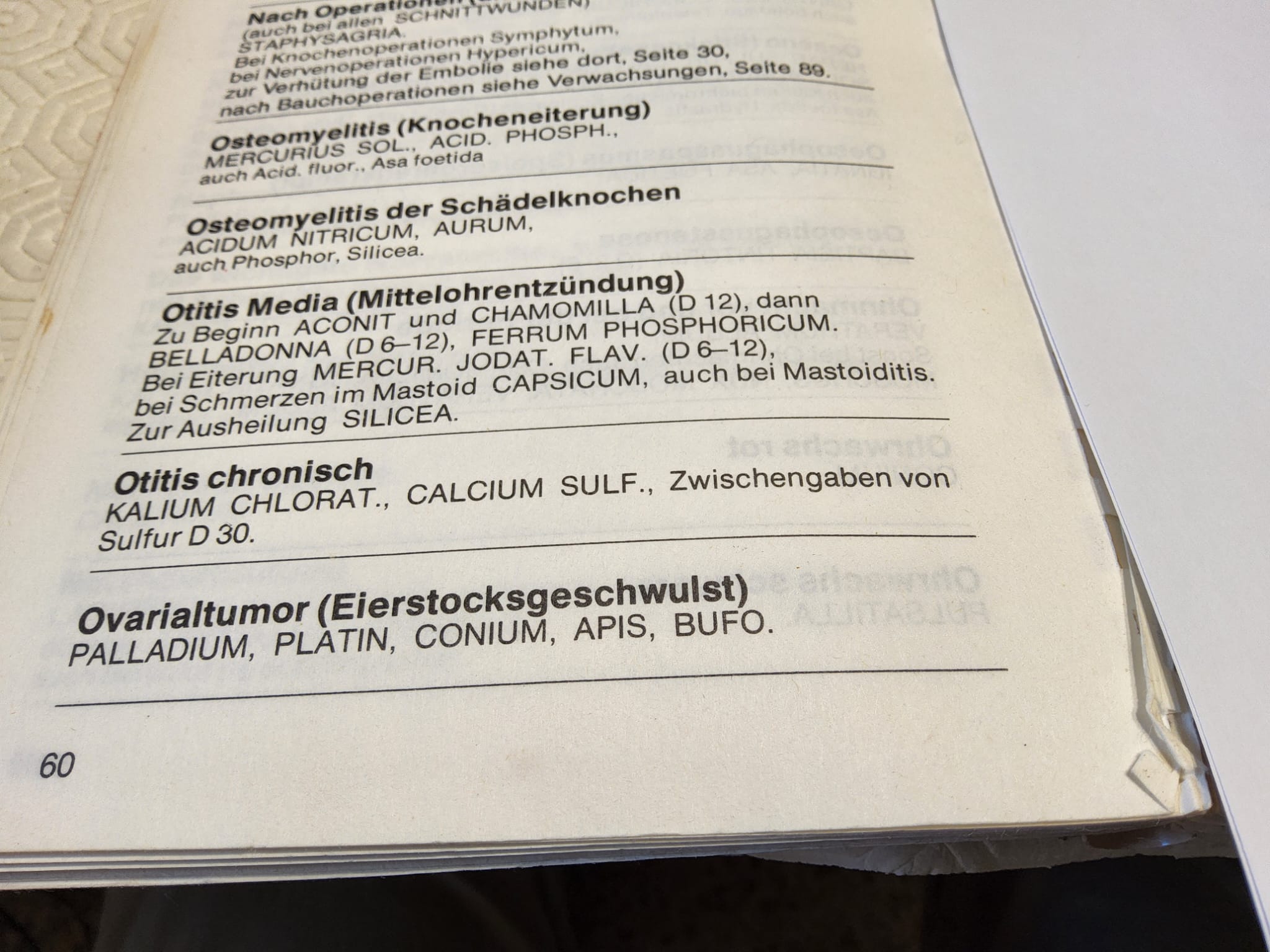
Women: Often used for gynecological issues—painful menstruation (dysmenorrhea) with heavy bleeding, ovarian pain, or hypersensitivity of the genitals. It’s also indicated for ovarian cysts or tumors, which “stick out” physically, further echoing בולט (Bolet) as a protrusion (Homeopathic Medicine for Women by Trevor Smith, 1994). Sexual desire may be heightened or suppressed, often with a sense of shame or disgust.
Men: Can apply to men with genital hypersensitivity or sexual dysfunction, often tied to emotional pride (Keynotes and Characteristics by H.C. Allen, 1898).
Headaches: Severe headaches, often with a sensation of tightness or as if the head is being squeezed, again reflecting a theme of pressure (Repertory by Kent, 1897).
Digestive: Constipation with hard stools, or abdominal cramps with a sensation of coldness or numbness (Materia Medica by John Henry Clarke, 1900).
Extremities: Cramps, numbness, or a “crawling” sensation in the limbs, often worse at night or from touch (Homeopathic Clinical Repertory by Robin Murphy, 2005).
Modalities (Worse or Better By):
Worse: From touch, pressure, evening/night, emotional upset, or being contradicted.
Better: From open air, walking, or warmth (Boericke’s Materia Medica, 1927).
Key Characteristics:
Strong emotional intensity (pride, disdain, or melancholy), often feeling “above others” yet struggling with inner conflicts, a duality that symbolically aligns with the idea of prominence (בולט) and pressure (לחץ).
Physical symptoms frequently involve sensations of constriction, numbness, or hypersensitivity, particularly in the nervous and reproductive systems, with growths like ovarian cysts adding a physical “prominence.”
The remedy’s profile echoes other linguistic connections in homeopathy, such as Lachesis with לחץ (Lachats, “pressure”) for its intolerance to constriction, or Natrum Muriaticum with נתרן נטרה (Natrium Netira, interpreted as “neutral”) for its emotional withdrawal, highlighting how remedy names can resonate with Hebrew roots in meaningful ways
 medicine from harold jitschak bueno de mesquita